The right walk length is the one that meets your dog's physical and mental needs without causing next-day strain. This guide gives practical starting ranges and behavior-based adjustment rules so you can calibrate from your dog's recovery, not a generic timer.
Walk-Length Quick Start
| Dog Profile | Starting Target | Adjustment Signal |
|---|---|---|
| Puppy | 5 min per month of age per walk | Reduce if sore or reluctant next day |
| Low-energy adult | 20-45 min total/day | Increase if restless indoors |
| High-energy adult | 60-120+ min total/day | Add intensity/novelty if still wired |
| Senior | 15-30 min split into shorter walks | Shorten and increase frequency if stiff |
| Brachycephalic | 15-30 min in cool windows | Stop early with heavy panting or lagging |
The Problem with Duration-Based Thinking
When you focus solely on hitting a time target, several things break:
You miss your dog's signals. They wanted to sniff that tree for 30 seconds, but you pulled them along because "we need to finish the walk." That sniff was the highlight of their day—the canine equivalent of reading the neighborhood news—and you denied it. Result: a dog who's physically tired but mentally unsatisfied, which shows up as restlessness or destructive behavior at home.
You push past their limits. Your senior dog or brachycephalic pup was done at 15 minutes, but you made them trudge on because the internet said 30 minutes. Result: exhaustion, soreness, or overheating—and a dog who starts dreading walks instead of loving them.
You cheat the experience. You finished your "30-minute walk" by scrolling your phone and power-walking through the neighborhood. Your dog got 30 minutes of movement but zero minutes of actual engagement. Result: the physical exercise checkbox gets ticked, but the mental stimulation your dog needed never happened.
Duration is a guide, not a goal. Your dog cannot read clocks. They know only one thing: whether they're satisfied. If they come home and settle contentedly, the walk worked. If they're pacing and restless, it didn't—regardless of how many minutes you logged.
What Dogs Actually Get from Walks
To understand appropriate walk length, you need to understand why walks matter in the first place.
Physical Exercise
The obvious one. Walking burns calories, builds muscle, supports joint health, and prevents obesity. The amount needed varies dramatically by breed, age, and individual dog. A Border Collie who doesn't get enough physical exercise becomes destructive; a Bulldog who gets too much risks joint damage and overheating. The consequences of getting it wrong show up in vet bills and behavioral problems.
Mental Stimulation
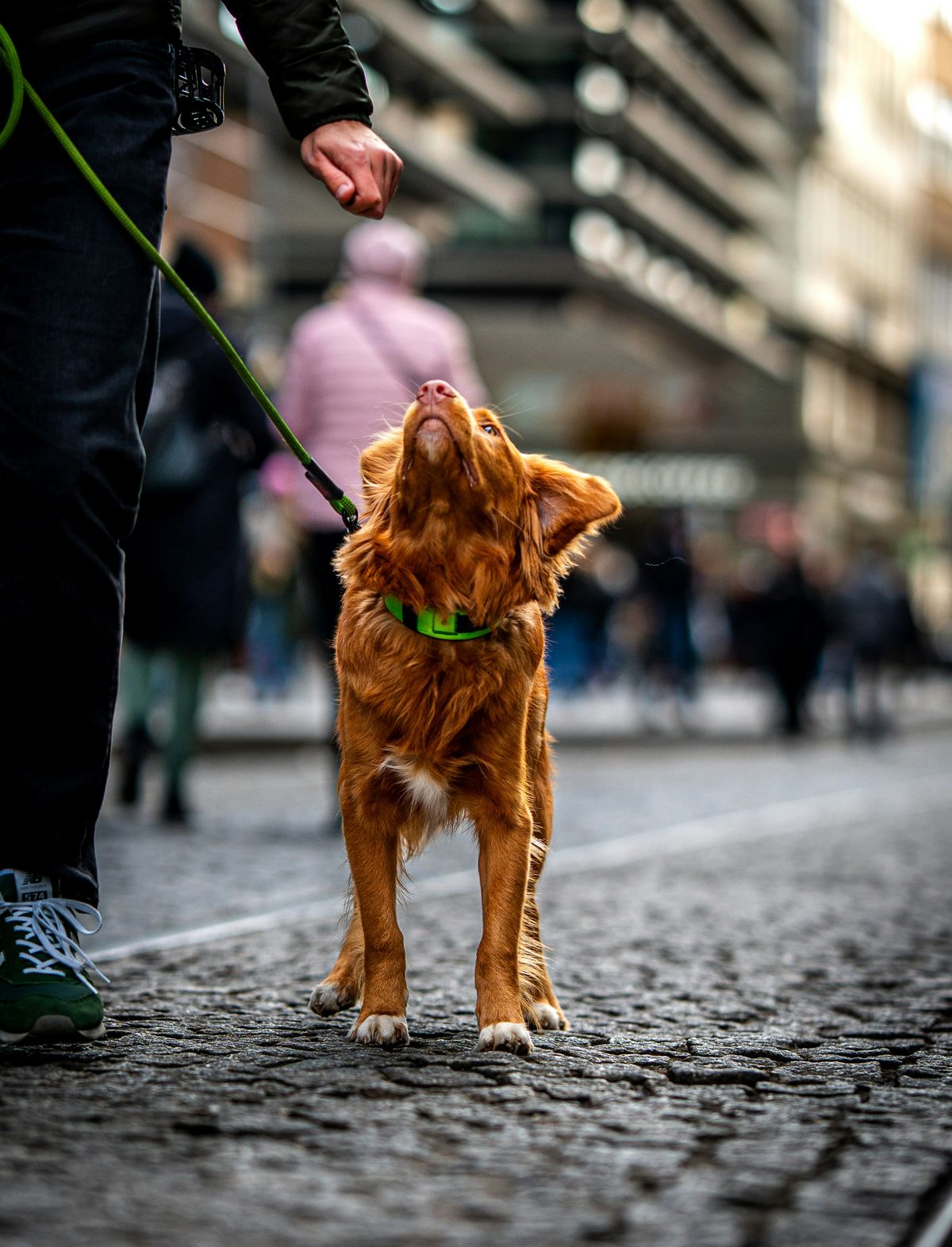
This is often more important than physical exercise. The outside world is a sensory buffet for your dog. Every smell tells a story—which dogs passed by, their health, their mood, when they were there. Every passing dog, person, or squirrel requires processing. Every new route presents novel information their brain must decode.
A mentally engaged dog on a short walk will be more satisfied than a bored dog on a long walk. This isn't a preference—it's neuroscience. Mental processing consumes energy. A dog denied sniffing opportunities returns home physically tired but mentally wired, and that manifests as the behaviors owners hate: chewing, barking, pacing.
When walks are short, supplement with mental enrichment at home:
- Frozen Kong (stuff with peanut butter and freeze overnight)
- LickiMat spread with yogurt or pumpkin
- Snuffle mat with hidden treats
- West Paw Toppl (easier to clean than Kong)
- Puzzle feeders (Nina Ottosson puzzles, Outward Hound games)
- "Find it" games: Hide treats around the room and let them search
Mental work is exhausting. A 15-minute puzzle session can tire your dog as much as a 30-minute walk—useful for days when weather, injury, or your schedule limits outdoor time.
Bathroom Opportunities
Dogs need regular chances to relieve themselves. But they also communicate through scent marking—"reading their pee-mail" as trainers call it. A walk that allows proper sniffing and marking fulfills instinctive needs that cannot be substituted with a backyard. Deny this, and you'll see frustrated dogs who pull obsessively toward every vertical surface because the need doesn't go away—it just builds.
Bonding Time
Walking together strengthens your relationship. It's dedicated time where your dog has your attention (ideally), and you're navigating the world as a team. Dogs who walk regularly with their owners show measurably higher trust behaviors—following cues, checking in visually, returning when called. Dogs who rarely walk with their owners miss this bonding window, which makes training harder and emergency recalls less reliable.
Decompression
For anxious dogs especially, walks can be calming. The repetitive motion, the routine, the fresh air—all help regulate cortisol levels and reduce stress. Unless you're rushing them. A rushed walk with constant leash corrections and hurried pace does the opposite: it spikes stress hormones and teaches your dog that outside = anxiety. The difference between a decompression walk and a stress-inducing one is pace and patience, not duration.
Duration Guidelines (Use as a Starting Point)
Yes, there are general ranges. Use them as a starting point, then adjust based on your dog's actual behavior. These numbers aren't prescriptions—they're hypotheses you test by observing your dog.
By Walk Type
| Walk Type | Typical Duration | Purpose | If You Skip This |
|---|---|---|---|
| Quick potty break | 5-15 minutes | Bathroom, stretch legs | Indoor accidents, discomfort |
| Standard walk | 20-30 minutes | Moderate exercise + mental stimulation | Restlessness, attention-seeking behavior |
| Extended walk | 45-60 minutes | Substantial exercise for active dogs | Destructive behavior in high-energy breeds |
| Adventure walk | 60-90+ minutes | High-energy dogs, weekend activities | Working breeds become neurotic without outlet |
By Dog Age
| Age | Recommended Duration | Why This Matters |
|---|---|---|
| Puppies (under 6 months) | 5 min per month of age | Exceeding this damages growth plates; the joint problems show up 1-2 years later |
| Adolescents (6-18 months) | 30-60 minutes | Insufficient exercise creates behavioral nightmares; too much still risks joint damage |
| Adults (1-7 years) | 30-90 minutes | Based on breed—mismatching creates either frustrated dogs or exhausted ones |
| Seniors (7+ years) | 15-30 minutes | Pushing past limits causes pain and makes dogs dread walks; multiple shorter walks preferred |
By Breed Energy Level
| Energy Level | Examples | Duration Range | Consequence of Mismatch |
|---|---|---|---|
| Low | Bulldogs, Basset Hounds, Shih Tzus | 15-30 minutes | Over-walking causes joint stress; these breeds tire faster than they show |
| Moderate | Beagles, Cocker Spaniels, most mixed breeds | 30-45 minutes | Under-walking creates nuisance behaviors; over-walking rarely a problem |
| High | Labs, Golden Retrievers, Pointers | 45-60+ minutes | Under-exercised Labs become destructive; these breeds were bred to work all day |
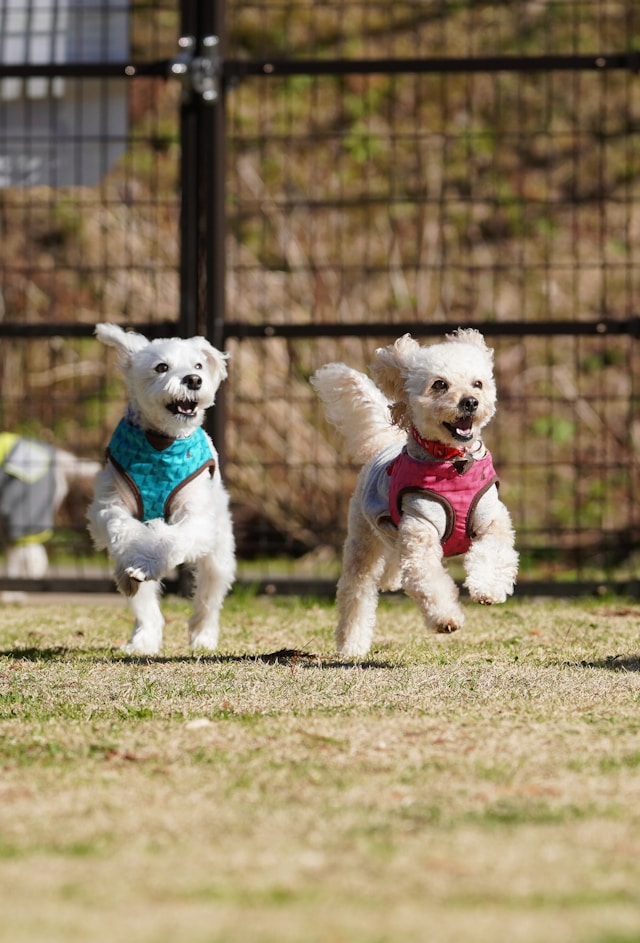
| Very high | Border Collies, Aussies, Huskies | 60-90+ minutes | Insufficient exercise causes neurotic behaviors, obsessive tendencies, and owner frustration |
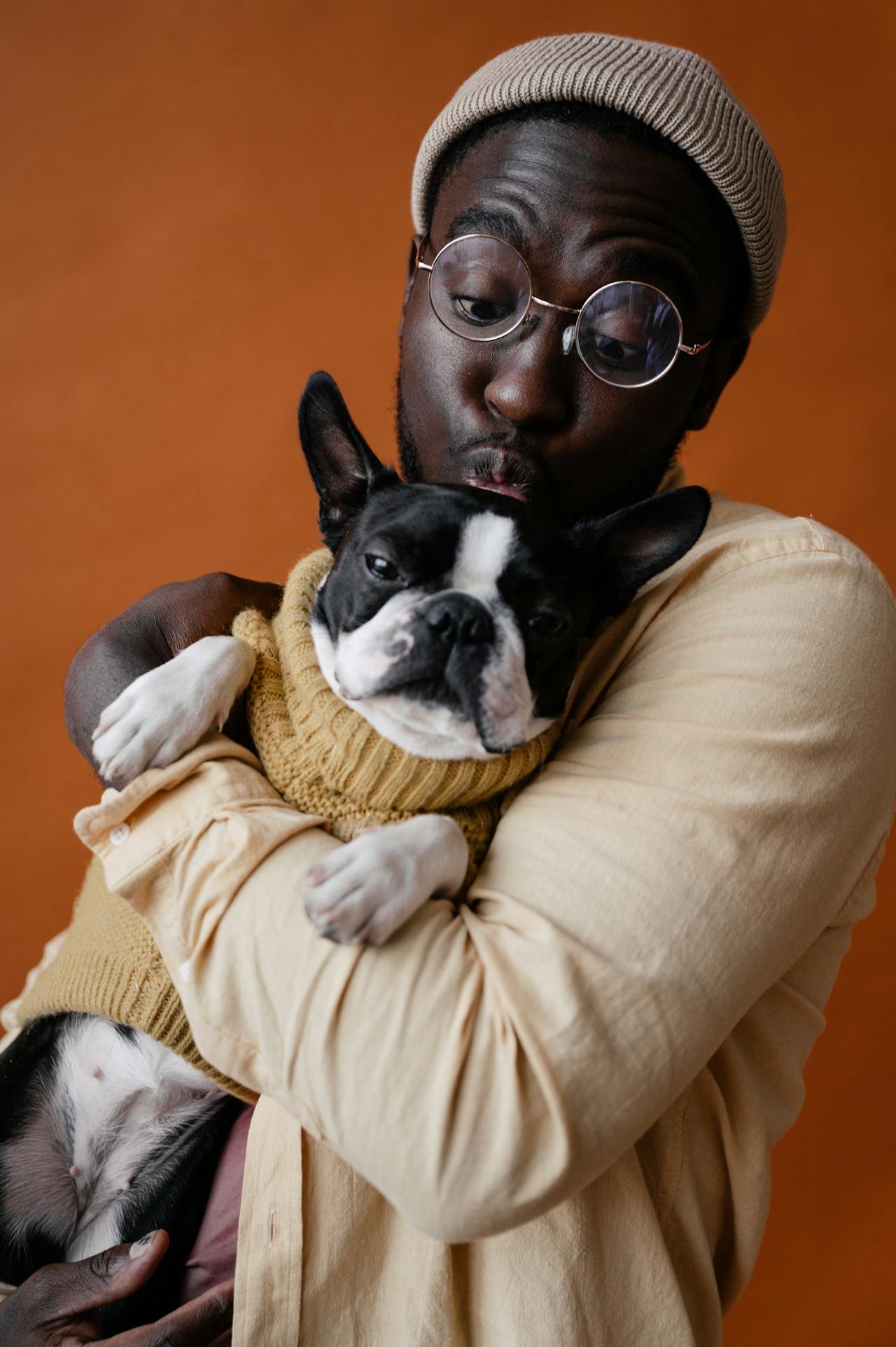
Important caveat for brachycephalic breeds (French Bulldogs, Pugs, Bulldogs, Boston Terriers): Their compromised respiratory systems cannot efficiently cool their bodies or deliver oxygen during exertion. This means they overheat faster and struggle to recover. Keep walks shorter (15-30 minutes max), especially in warm weather, regardless of what their energy level seems to want. Ignoring this doesn't just make them uncomfortable—it risks heatstroke, which can be fatal. These breeds' enthusiasm often exceeds their physical capacity; you must be the brake they don't have.
Quality Markers: What Makes a "Good" Walk
Read Your Dog, Not the Clock
These signals tell you more about walk quality than any timer. Watch for them during and after every walk.
During the Walk
Active sniffing
Brain is engaged — this IS the exercise
Loose leash, relaxed body
Feels safe; needs are being met
Checks in with you
Bond is strengthening; they’re present
After the Walk
Flops down contentedly
Walk was long enough — sweet spot found
Good appetite, sound sleep
Mental and physical needs addressed
Calm greeting, no barking
Balanced energy — not wired, not wiped
During the Walk
Constant pulling or lagging
Under-stimulated, exhausted, or in pain
Panting that won’t stop
Body can’t regulate — end the walk now
After the Walk
Bouncing off walls, destructive
Under-stimulated — try slower, not longer
Stiff, limping, or exhausted
Overdone — scale back tomorrow
A 20-minute sniff walk where your dog explores freely will tire them out more than a 40-minute power walk. Olfactory processing is genuinely exhausting. If your dog comes home wired, the answer is usually slower walks with more sniffing—not longer ones.
Your dog’s post-walk behavior is the only metric that matters. A satisfied dog tells you everything.
Here's where we shift from time-based thinking to outcome-based thinking. A good walk produces specific observable results—and these results tell you more than any chart ever could:
During the Walk
Signs of a quality walk in progress:
| Good Sign | What It Means | What Happens If You See This |
|---|---|---|
| Relaxed body language | Dog feels safe and content | Keep doing what you're doing—this walk is working |
| Active sniffing | Mental engagement happening | Let them sniff; interrupting defeats the purpose |
| Loose leash (most of the time) | Dog is present, not desperate | Walk is meeting their needs; they're not straining for more |
| Checking in with you | Bonding occurring | Your relationship is strengthening; acknowledge it |
| Interest in environment | Engaged and curious | Mental stimulation working; they'll tire faster |
| Natural gait | No pain or exhaustion | Safe to continue at this pace |
Signs something's wrong:
| Warning Sign | What's Happening | What You Must Do |
|---|---|---|
| Constant pulling | Under-exercised or under-stimulated | Add more walks or more sniffing—longer walks won't fix this |
| Lying down and refusing to move | Exhausted, in pain, or overheating | Stop immediately; pushing through risks injury or heatstroke |
| Excessive panting that won't stop | Body cannot regulate temperature | Get to shade/water now; this can escalate to emergency fast |
| Lagging behind | Tired, sore, or unwell | Shorten walks; if it persists, vet check needed |
| Hypervigilance/reactivity | Stress hormones spiking | End walk and decompress; continuing makes things worse |
| Frequent attempts to go home | Dog is done | Honor this signal; forcing them creates negative associations |
After the Walk
Signs your dog got what they needed:
| Good Sign | What It Proves | Why This Matters |
|---|---|---|
| Calm contentment | Walk met their needs | You've found the right duration/quality for this dog |
| Healthy appetite | Normal energy expenditure | Body and brain worked appropriately |
| Good sleep | Adequately tired | Mental and physical needs both addressed |
| Relaxed behavior | No unmet needs remaining | No pacing, whining, or attention-seeking = success |
Signs the walk wasn't enough (or was too much):
| Sign | Wasn't Enough | Was Too Much |
|---|---|---|
| Hyperactivity | ✓ | |
| Excessive energy | ✓ | |
| Destructive behavior | ✓ | |
| Reluctance to move next day | ✓ | |
| Stiffness or limping | ✓ | |
| Exhaustion lasting hours | ✓ |
The Science of Sniffing: Why Slower Is Often Better
This is the single most important concept in this article, and it changes how you'll think about walks forever:
Sniff walks are exhausting—in a good way.
Research in animal cognition shows that olfactory processing is mentally demanding for dogs. When your dog sniffs that fire hydrant for 45 seconds, they're not wasting time—they're reading a complex information stream: which dogs passed by, when, their health status, their reproductive status, their emotional state, and more. This processing requires significant neural resources.
Dr. Alexandra Horowitz at Barnard College's Dog Cognition Lab calls this "letting dogs be dogs." A walk where you allow sniffing gives your dog a richer experience than a walk where you hurry them past every scent.
The practical implication: A 20-minute "sniff walk" where you let your dog investigate at their pace will tire them out more effectively than a 40-minute power walk. This isn't conjecture—it's how canine neurology works. If your dog comes home from walks still wired, the answer probably isn't longer walks. It's slower ones with more sniffing.
How to do a sniff walk:
- Choose a route with variety (grass, trees, corners where dogs congregate)
- Use a longer leash (6-10 feet) to give your dog more freedom—the "long line method"
- Let your dog lead (within reason)
- When they stop to sniff, let them sniff until they're done—trainers call this "letting them read their pee-mail"
- Don't pull them away from interesting smells
- Expect to cover less ground—and that's fine
Chicago sniff walk routes: The gravel paths at Horner Park, the tree-lined streets of Ravenswood, or the quieter sections of Montrose Harbor offer rich sniffing environments. Avoid the crowded stretches of the 606 Trail on weekends—too many interruptions.
You'll know it worked when your previously-energetic dog flops down at home, mentally satisfied.
Decompression Walks: A Special Case
Decompression walks are a specific type of walk used by trainers for anxious, reactive, or overstimulated dogs. They're worth understanding even if your dog is "normal"—because even well-adjusted dogs benefit from occasional stress-free exploration.
What is a decompression walk?
A walk focused entirely on reducing stress. You go slowly. You don't set goals. Your dog sets the pace completely. Typically done in quieter areas with minimal triggers. The goal is cortisol reduction, not exercise.
When they help (and what breaks without them):
- Dogs with anxiety who need to build positive outdoor associations—without decompression walks, they associate outside with threat, worsening anxiety over time
- Reactive dogs who need distance from triggers while still getting walks—regular walks in triggering environments make reactivity worse, not better
- Dogs adjusting to new environments (recent moves, rescues)—overwhelming them too early can create lasting fear responses
- Any dog who seems stressed rather than enriched by walks—continuing stressful walks teaches the dog that walks mean anxiety
The structure:
- Use a longer leash (10-15 feet) or a biothane long line to give your dog more choice without tangling
- Walk in low-stimulation areas (quiet parks, empty trails, early morning before crowds)
- Let your dog sniff, wander, sit, lie down—whatever they want
- No training cues, no agenda—this is their time
- Don't set a duration goal; end when your dog seems relaxed
- Keep your energy calm and patient—dogs read your stress
The "3-3-3 rule" for rescue dogs: The first 3 days, 3 weeks, and 3 months after adoption are critical adjustment periods. During this time, decompression walks help more than adventure walks. Let your new dog decompress before expecting them to handle high-stimulation environments. Rushing this process creates fear-based behaviors that take months to undo; patience now prevents problems later.
Chicago decompression spots:
- North Park Village Nature Center — 46 acres of quiet trails, minimal dog traffic
- Sauganash Prairie — off-leash area that's often empty on weekday mornings
- LaBagh Woods — forest preserve with low-stimulation paths
- Early morning at Montrose Dog Beach (before 7am) — empty enough for anxious dogs
- Avoid the Lakefront Trail, Lincoln Park's popular paths, and anywhere near Wrigley on game days
Decompression walks often run 30-60 minutes, but the point isn't time—it's achieving a state of calm. Professional trainers and behaviorists (look for CPDT-KA, CAAB, or IAABC credentials) often prescribe decompression walks as part of treatment plans for anxiety and reactivity.
Chicago Weather Adjustments
Chicago's weather extremes don't just affect comfort—they create hard limits on safe walk duration. Ignoring these limits risks heatstroke in summer and frostbite in winter.
Hot Weather (Above 75°F)
| Temperature | What You Must Do | Why |
|---|---|---|
| 75-85°F | Walk early morning or evening; avoid midday | Pavement absorbs heat; dogs can't sweat like humans |
| 85-90°F | Shorten walks by 30-50%; watch for panting | Heat exhaustion risk rises; dogs overheat before showing obvious signs |
| 90°F+ | Brief bathroom breaks only; no extended walks | Heatstroke risk is real; dogs die from overexertion in this heat every summer |
Pavement danger: Test concrete with your palm. If you cannot hold it there for 5-7 seconds, it will burn paw pads. This isn't discomfort—it's injury. Stick to grass or wait until temperatures drop. Burns heal slowly and make every future walk painful.
Brachycephalic breeds: Extra caution is non-negotiable. Their compromised respiratory systems cannot cool their blood efficiently. Bulldogs, French Bulldogs, and Pugs can overheat in conditions other dogs handle fine—and by the time they show obvious distress, they may already be in crisis. For these breeds, treat 75°F as the upper limit for normal walks.
Cold Weather (Below 30°F)
| Temperature | What You Must Do | Why |
|---|---|---|
| 20-30°F | Normal walks for most dogs; watch small/thin-coated breeds | Cold-tolerant dogs thrive here; vulnerable ones need protection |
| 10-20°F | Shorten walks; consider dog coats for vulnerable dogs | Exposed skin (ears, paws) at frostbite risk; windchill accelerates this |
| Below 10°F | Brief bathroom breaks; protect paws from salt | Frostbite can occur in minutes; chemical de-icers cause burns |
| Polar Vortex (below 0°F) | Emergency bathroom only; dangerous for all dogs | Tissue damage happens fast; no walk is worth a veterinary emergency |
Paw protection in Chicago winters:
- Musher's Secret paw balm creates a protective barrier—apply 10 minutes before the walk, not at the door. It needs time to absorb into the pads.
- Dog booties (Ruffwear Polar Trex, Muttluks) protect from salt and ice if your dog tolerates them. Practice indoors first—most dogs need 3-5 sessions to walk normally in booties.
- Post-walk paw wipes or a shallow tub of warm water remove residue immediately
The chemistry of Chicago sidewalks: City crews use calcium chloride and magnesium chloride—not table salt (sodium chloride). These industrial de-icers are more effective at lower temperatures but also more caustic. They cause chemical burns on paw pads at concentrations pet parents never consider. Dogs who lick their paws after walks ingest these chemicals, causing GI upset, drooling, and vomiting. This is why post-walk paw washing isn't optional in Chicago winters—it's mandatory if you want to avoid vet visits.
The lake wind factor: Chicago's lake-effect wind (locals call it "the lake wind") dramatically shortens safe walk times in winter. A 30°F day with 20mph winds feels like 19°F—and exposed skin (including paw pads and ear tips) doesn't care what the thermometer says; it responds to wind chill. Plan accordingly:
- East-west streets catch the full wind off the lake—shorten walks or choose north-south routes for wind breaks
- Wind chill below 20°F: maximum 15-20 minute walks before frostbite risk becomes real
- Wind chill below 0°F: bathroom breaks only (5 minutes max)—this is not negotiable
When Walk Length Should Decrease
Certain situations call for shorter walks than usual. This isn't coddling—it's preventing harm:
Immediate Shortening
| Situation | What's Happening | What You Must Do | If You Ignore This |
|---|---|---|---|
| Dog is limping | Pain, injury | Stop, assess, see vet if persists | Minor injury becomes major; trust is damaged |
| Excessive panting that won't slow | Body cannot regulate temperature | Stop, find shade/water, cool down | Heatstroke can follow within minutes |
| Dog lies down and won't continue | Exhausted, in pain, or overheated | End walk, get home safely | Forced movement causes further harm |
| Weather becomes dangerous | Heat, cold, storms | Cut walk short | Weather-related emergencies are preventable |
| Dog is stressed/overstimulated | Cortisol spiking; walk is causing harm | Go home, decompress | Continued exposure worsens anxiety long-term |
Temporary Reduction
| Situation | Duration Adjustment | How Long | Why This Matters |
|---|---|---|---|
| Post-surgery | Per vet instructions (often 5-10 min potty only) | 6-12 weeks | Pushing recovery tears healing tissue; setbacks add months |
| Illness recovery | Half normal duration; build slowly | Until cleared by vet | Weakened systems cannot handle normal exertion |
| New environment | Shorter, more frequent walks | 1-2 weeks of adjustment | Overwhelming a stressed dog creates fear associations |
| Recent adoption/rescue | Short decompression walks | 2-4 weeks | Trust must be built before adventure; rushing creates lasting anxiety |
Permanent Adjustment
| Situation | Why | What Happens If You Don't Adjust |
|---|---|---|
| Senior stage | Decreased stamina, joint issues | Pain that your dog hides; accelerated joint deterioration |
| Arthritis diagnosis | Shorter walks reduce joint stress | Inflammation worsens; mobility decreases faster |
| Heart condition | Vet-limited exercise capacity | Cardiac stress can cause collapse or sudden death |
| Respiratory issues | Cannot sustain long activity | Oxygen deprivation; panic; potential crisis |
The Role of Your Dog Walker
If you use a professional dog walker, walk duration is typically fixed by service type. But here's what separates good walkers from clock-watchers:
| Service | Duration | Best For | What Quality Looks Like |
|---|---|---|---|
| Potty break | 15-20 min | Quick midday relief | Dog returns having relieved themselves completely; no rushing |
| Standard walk | 30 min | Most dogs, most situations | Dog returns satisfied and calm; walker read their needs |
| Extended walk | 45-60 min | High-energy dogs, adolescents | Dog returns appropriately tired; energy actually burned |
What good walkers know: Duration is the contract, but quality is the delivery. An experienced walker doesn't watch the clock—they read your dog. They let them sniff when sniffing matters. They pick up the pace when energy needs burning. They cut a walk short if something's wrong. The difference shows in your dog's behavior when they return.
On Tails, you can see reviews and discuss expectations directly with your walker. If your dog needs sniff-heavy walks, you can communicate that. If they need high-intensity exercise, you can find walkers who run with dogs.
The matchmaker difference: Rather than hoping a random walker understands your dog's needs, Tails matches you with walkers whose style fits your pup. A slow-and-sniff walker for your senior Beagle. An athletic handler for your adolescent Lab.
Find Your Walking Match on Tails
How to Know You've Found the Right Duration
After several walks, you'll develop intuition about your dog's needs. But here's a framework for getting there faster—because guessing for months is frustrating for both of you:
The Observation Test
For one week, vary your walk lengths:
- Day 1-2: Shorter than usual (15-20 minutes)
- Day 3-4: Your current standard (30 minutes)
- Day 5-6: Longer than usual (45-60 minutes)
- Day 7: Let your dog set the pace completely (no time goal)
Observe after each walk:
- Energy level when you return home
- Behavior over the next few hours
- Sleep quality that night
- Appetite
- Next-day mobility and enthusiasm
What patterns emerge? You'll likely find a clear sweet spot where your dog returns satisfied but not exhausted, settles well, and is eager to walk again the next day. This is your answer—not a chart, not a blog post, but your specific dog's observable response.
The Behavior Check
| After Walks, Your Dog... | Walks Are Probably... | What To Do |
|---|---|---|
| Flops down contentedly | Right length | You found it; maintain this pattern |
| Falls asleep quickly and sleeps well | Right length | Both mental and physical needs met |
| Still has moderate energy but isn't manic | Right length | Balance achieved; no adjustments needed |
| Bounces off walls, destructive, hyper | Too short (or lacking quality) | Try longer or add more sniffing time |
| Exhausted for hours, reluctant next day | Too long | Scale back; watch for soreness |
| Shows stiffness or limping | Too long or too intense | Reduce duration and see vet if it persists |
Stop Watching the Clock
Here's your permission to throw out the timer.
Your dog cannot tell time. They cannot read charts. They know only whether their needs were met:
- Did I get to sniff interesting things? (mental stimulation)
- Did I get to pee where I wanted? (instinctive communication)
- Did my human pay attention to me? (bonding)
- Did I burn off enough energy to feel good? (physical needs)
- Did I feel safe and relaxed? (emotional regulation)
A walk that checks those boxes in 20 minutes beats a 45-minute slog through the neighborhood. The timer is for your calendar; your dog's behavior is the only metric that matters.
Measure success by your dog's state, not the time elapsed. A satisfied dog tells you everything you need to know. A restless dog tells you the walk failed—regardless of how long it was.
Frequently Asked Questions
Is a 15-minute walk enough for my dog?
For some dogs, yes. Senior dogs, brachycephalic breeds (Bulldogs, French Bulldogs, Pugs), and low-energy breeds may be perfectly satisfied with 15-minute walks, especially if done multiple times daily. For high-energy breeds or adolescent dogs, 15 minutes is likely just a bathroom break—and if that's all they get, expect restlessness, destructive behavior, and attention-seeking. The answer depends on your specific dog, not on averages.
Can I make up for short walks with backyard play?
Partially, but not completely. Backyard play provides exercise and bathroom opportunities but cannot replicate the mental stimulation of a walk. Walks expose dogs to novel smells, sights, and experiences—a constantly changing environment that backyards cannot offer. Think of walks as mental enrichment and backyard play as physical activity. A dog who only gets backyard time will eventually show behavioral signs of under-stimulation, even if they're physically tired.
My dog never seems tired after walks. Should I make them longer?
Maybe, but longer is rarely the right answer. Consider intensity and engagement first. A 30-minute walk with jogging intervals, training pauses, and varied routes will tire your dog more than 60 minutes of the same flat loop. Also consider whether your dog is actually engaging—some dogs "check out" on boring, familiar routes, walking on autopilot while their brain stays hungry. Try a new route with more sniffing opportunities before adding time. Novel environments and varied activities increase mental fatigue without extending duration.
How do I know if my puppy is walking too long?
Signs a puppy has walked too long: lying down during the walk and refusing to continue, limping or favoring a leg, excessive tiredness lasting hours afterward, reluctance to walk the next day. Stick to the 5-minutes-per-month-of-age guideline (e.g., 20 minutes for a 4-month-old puppy). This isn't arbitrary—puppy growth plates are soft cartilage that hardens into bone over time, and excessive impact damages them. The resulting joint problems don't show up until adulthood, when it's too late to undo. Protect the puppy now; they'll walk longer later.
Should walks be the same length every day?
Variety is fine—even good. Some days your dog may need longer adventures; other days a quick potty break fits everyone's schedule. What matters is that cumulative weekly activity meets their needs. One short day will not harm a healthy dog. A pattern of consistent under-walking will. Watch for behavioral signals over the week, not anxiety about any single day.
My senior dog used to love hour-long walks. Now they lag behind after 15 minutes. What changed?
Likely arthritis, joint pain, or general aging—and dogs hide pain instinctively, so by the time you see lagging, discomfort has probably been building for a while. Senior dogs lose stamina and may develop painful conditions that make walking uncomfortable. Don't push through it—forcing them damages trust and accelerates joint deterioration. Honor their new limits. Consider multiple shorter walks instead of one long one. And schedule a vet check to rule out treatable conditions or find pain management options like joint supplements, Adequan injections, or anti-inflammatory medications. The right intervention can restore much of their walking enjoyment.