
How to Become a Dog Walker: The Career Guide for Professionals
Dog walking isn't just a gig; it's a profession. Learn the skills you need, how to avoid the "hustle trap," and how to build a six-figure pet care business.
There is a misconception that dog walking is "easy money." People think it's just a leash, a pair of sneakers, and a stroll in the park.
If that's what you are looking for, this guide isn't for you.
But if you view pet care as a serious profession—requiring behavioral knowledge, physical stamina, and business acumen—then you are in the right place. Dog walking has transformed from a teenage side hustle into a legitimate six-figure career path for those who approach it with professionalism.
The demand for high-quality care is exploding. Pet parents are done with "gig workers" who treat their dogs like packages to be delivered. They are looking for Pet Care Professionals: experts who understand canine body language, reliability, and safety.
If you are willing to develop those skills, you can build a career that offers freedom, financial autonomy, and the deep satisfaction of working with animals. Here is how to stop "walking dogs" and start building a business.
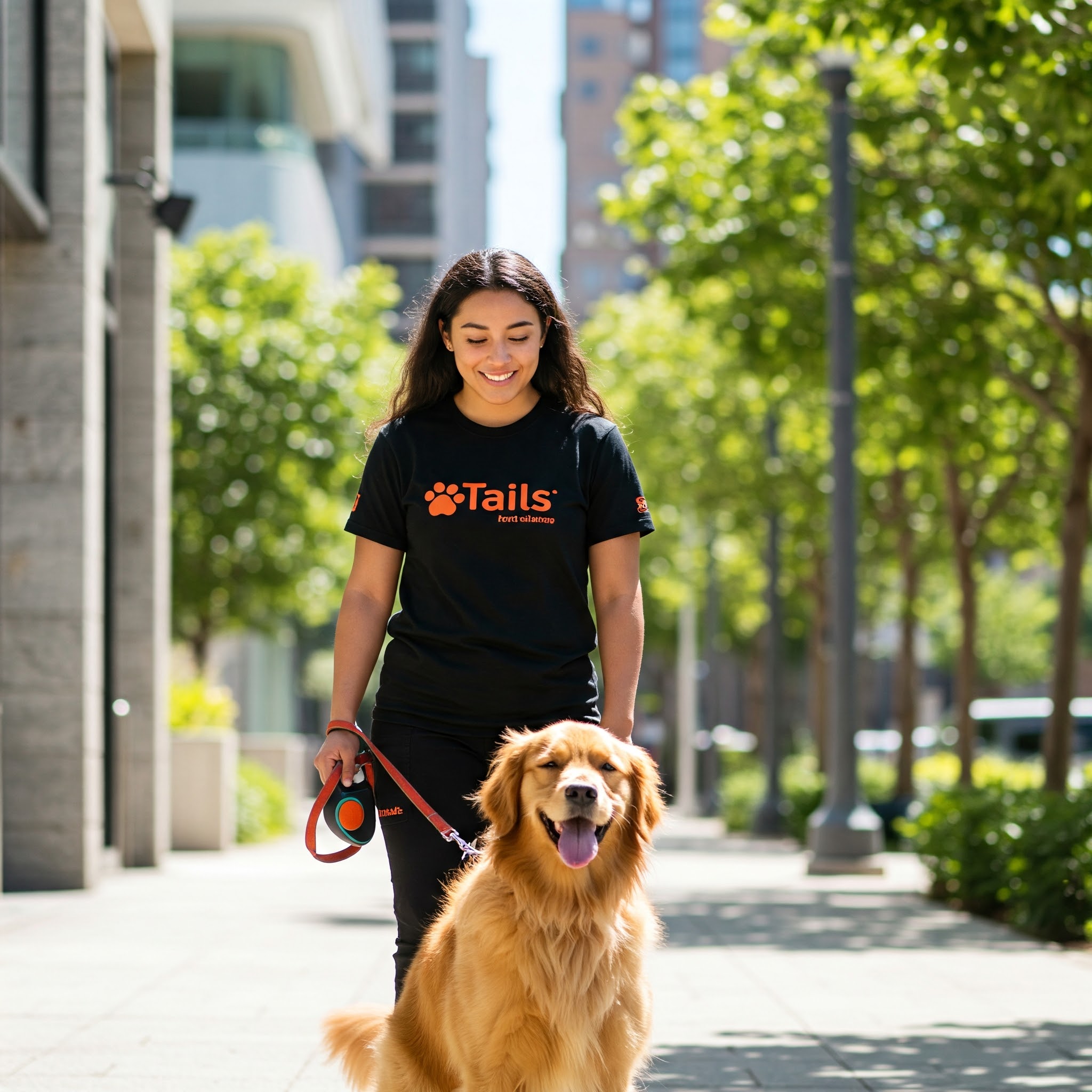
The Reality: What It Actually Takes
Before you quit your day job, you need to understand the difference between a "dog lover" and a "dog pro."
1. Reliability is Your Currency
In this industry, 90% of success is showing up—literally. Rain, snow, sleet, or heatwave—the dog needs to go out. If you call in sick because it's drizzling, your reputation vanishes. Pros prepare for the weather; amateurs cancel because of it.
2. Physical Resilience
This is an athletic profession. You might walk 10+ miles a day. You need to manage a 70lb Golden Retriever who spots a squirrel while simultaneously ensuring the French Bulldog doesn't overheat. It requires core strength, situational awareness, and stamina.
3. Behavioral Literacy
You need to speak "dog." Can you tell the difference between a wagging tail that means "hello" and a stiff wag that means "back off"? Do you know how to break the stare of a reactive dog? Verified skills in leash reactivity, positive reinforcement, and defensive handling are what allow you to charge premium rates.
The "Hustle Trap": Why Most Walkers Burn Out
Traditionally, starting a dog walking business meant you had to wear two hats: The Walker and The Marketer.
You had to:
- Print flyers and staple them to telephone poles.
- Awkwardly pitch your services to neighbors.
- Chase clients for Venmo payments on Friday nights.
- Vet strangers to make sure their home is safe for you to enter.
This is the "Hustle Trap." You spend 50% of your time walking and 50% of your time stressed about admin. This is why many independent walkers burn out or get stuck earning low wages.
Stop the Race to the Bottom
On most platforms, you are forced into a bidding war against the teenager down the street who is willing to walk a dog for $12. It's a race to the bottom, and nobody wins.
A real career requires Price Integrity. Look for platforms that enforce "Price Floors"—minimum rates that ensure no one can devalue the profession. You shouldn't have to lower your rates to get a booking. You should raise your skills to get a better client.
The New Path: The "Practitioner" Model
At Tails, we believe a dog walker shouldn't be a telemarketer. You should be a practitioner.
Just as a doctor joins a hospital to focus on medicine rather than billing, elite dog walkers join platforms that handle the business infrastructure.
1. Stop Chasing, Start Matching
Instead of competing on price in a directory, modern platforms use data to match you. If you have verified skills with high-energy breeds, you shouldn't be walking Pugs. You should be matched with Border Collie owners who value (and pay for) that specific expertise.
2. Verified Clients (Safety Goes Both Ways)
Most advice focuses on vetting the walker. But who vets the client? A professional platform ensures that the dog and the home are safe. You shouldn't have to walk into a stranger's house without a safety net.
3. Build a Resume, Not Just a Rating
In the gig economy, you live and die by a 5-star rating. But what does "5 stars" actually mean? That you were on time? That you were nice? That you were cheap? It's vague vanity metrics.
Professionals trade in Verified Skills. When a platform verifies that you can handle Separation Anxiety or Senior Dog Medication, that isn't just a badge. That is equity. It allows you to say, "I don't just walk dogs. I manage medical needs." That is how you justify 2x the market rate.
4. Your Reputation is Portable
In the old "gig" model, you are just a star rating. In the professional model, you build a portfolio of verified skills (e.g., "Certified in Senior Dog Care"). This allows you to command higher rates based on expertise, not just availability.
Getting Started: Your Roadmap
If you are ready to turn this into a career, here are your immediate next steps:
Step 1: Get Hands-On Experience
Volunteer at a shelter. Handling a well-behaved family dog is different from handling a shelter dog with unknown triggers. This experience is invaluable for learning body language.
Step 2: Educate Yourself
Take a Pet First Aid/CPR course. Learn the basics of R+ (Positive Reinforcement) training. These aren't just badges for your profile; they are tools that will save your butt in a crisis.
Step 3: Choose Your Lane
Are you a "Pack Walker" who takes groups on hikes? Or are you a "Solo Specialist" who handles reactive dogs one-on-one? Specialized walkers always earn more than generalists.
Step 4: Join a Professional Network
Don't go it alone. Apply to a curated network like Tails. Yes, the vetting is harder. Yes, we interview you in person. But once you're in, you stop being a gig worker and start being a professional partner.
The Economics of a Real Career
Understanding the financial realities separates hobbyists from professionals. Here is what most "become a dog walker" guides won't tell you.
| Factor | Gig Economy Apps | Professional Platforms |
|---|---|---|
| Pricing Model | Race to the bottom; undercut to win | Price floors protect your value |
| Platform Fee | 20-40% of your earnings | Flat, fair cap (keep 90%+) |
| Client Quality | Anyone with a credit card | Vetted clients who value expertise |
| Your Identity | Interchangeable gig worker | Recognized professional with verified skills |
You Do the Work, You Keep the Money
It sounds simple, but in this industry, it's radical. Most apps take 20%, 30%, or even 40% of your earnings. They tax your labor to pay for their marketing.
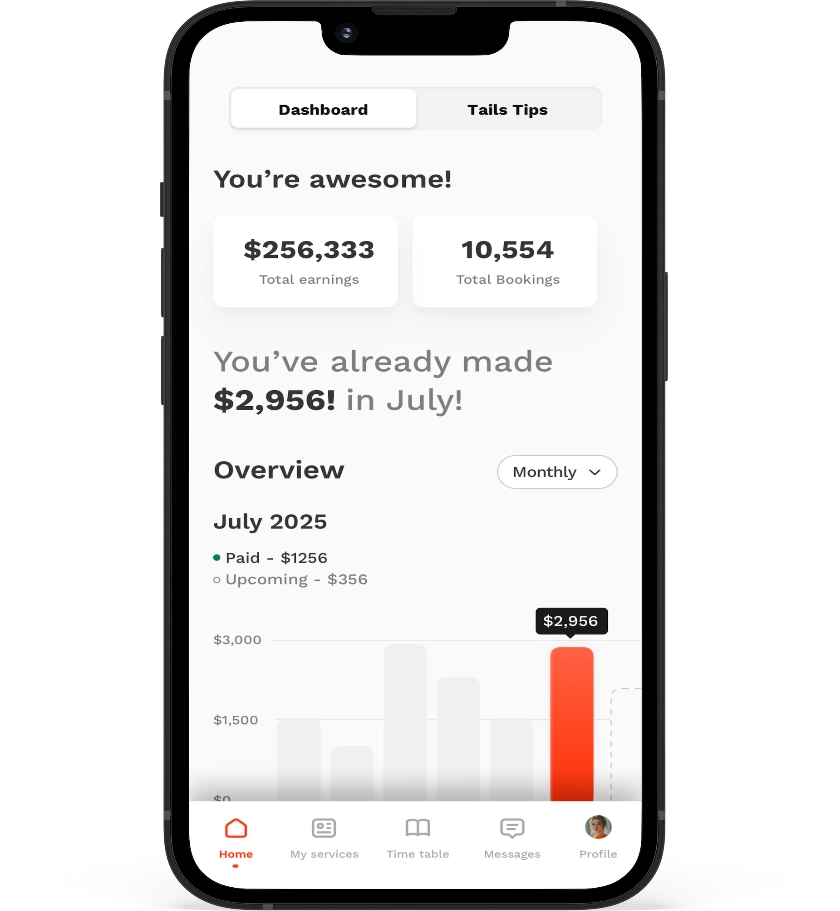
If you walk 10 miles, you should get paid for 10 miles. We believe in a flat, fair cap. You keep 90% of every dollar. Because if you are the one sweating in the summer heat and braving the winter chill, you deserve the profit. Not the app.
See the difference for yourself: Use our earnings calculator to compare what you'd take home on Tails vs. traditional gig apps.
How Tails Helps Providers Win
We built Tails because we hated how the "Gig Economy" treated pet care providers. We don't view you as a commodity; we view you as the talent.
We Market You: We highlight your specific skills (like "Puppy Development" or "Medical Administration") to clients who need them.
We Protect You: We handle the payments, the cancellations, and the disputes.
We Grow You: We provide the data and feedback loops to help you justify rate increases as you gain experience.
The Choice is Yours
You can print flyers and hope for the best. Or you can build a career based on skill, data, and passion.
The dogs are waiting. The clients are looking for professionals. The only question is: are you ready to level up?
Ready to turn your passion into a profession? Apply to become a Tails Provider and join the top tier of pet care.
Frequently Asked Questions
Do I need certification to become a dog walker? No formal certification is required, but it is highly recommended if you want to charge premium rates. Courses in Pet First Aid, CPR, and Canine Behavior signal to clients (and platforms like Tails) that you are a serious professional, not a hobbyist.
How much can I actually earn? Independent gig workers often cap out at low hourly wages. However, professional providers on curated platforms who specialize (e.g., handling reactive dogs or medical needs) can earn $40k-$70k+ annually. It depends on your reliability, skill level, and ability to retain recurring clients. Try our earnings calculator to model your potential income.
What is the difference between Tails and other apps? Other apps are "open marketplaces"—anyone can join, and it's a race to the bottom on price. Tails is a "curated network." We interview every provider. Because we vet you harder, our clients trust you more, leading to higher rates and better relationships.
How do I find my first clients? You can use the "DIY" method (flyers, social media), or you can join a platform like Tails that matches you instantly. If you have verified skills (like experience with puppies or seniors), our algorithm matches you with owners looking for exactly that, skipping the "hustle" phase entirely.
Do I need my own insurance? If you are independent, absolutely yes—do not walk a dog without it. If you work through a platform, check their policy details carefully. Tails provides coverage for bookings made through the platform, giving you peace of mind that you (and the dog) are protected.
Providers
Ready to take the next step?
Become a ProviderFind Trusted Pet Care in Chicago
Join thousands of pet parents who trust Tails for professional boarding, walking, and daycare services.
Get Started with Tails