The useful question is not "one walk or two," it is whether your dog's daily schedule matches their biology and stress load. This guide gives age- and breed-adjusted targets plus warning signals so you can calibrate safely instead of guessing.
Daily Walking Baseline (Quick Start)
| Dog Type | Daily Target | Cadence |
|---|---|---|
| Puppy | 5 min/month of age per walk | 2 structured walks + enrichment |
| Low-energy adult | 30-45 min total | 2 walks |
| Medium-energy adult | 45-90 min total | 2-3 walks |
| High-energy adult | 90-150+ min total | 3+ walks plus work/play |
| Senior or mobility-limited | 10-30 min segments | 3-5 short outings |
Why Walking Frequency Matters
Before we get into numbers, let's talk about why this question matters so much. Getting it wrong in either direction causes specific, predictable problems.
Under-exercised dogs develop problems that show up fast:
- Destructive behaviors (chewing, digging, scratching)—this is pent-up energy with nowhere to go
- Excessive barking or whining—under-stimulated dogs vocalize to self-soothe
- Weight gain leading to joint problems, diabetes, heart disease—extra pounds compound into chronic conditions
- Anxiety and restlessness—a tired dog is a calm dog; an under-exercised dog is neither
- Attention-seeking behaviors—pawing, nudging, following you room to room
- House training regression—fewer walks means fewer bathroom opportunities, which means accidents
Over-exercised dogs suffer different but equally serious damage:
- Joint damage, especially in puppies whose growth plates haven't closed—this damage is permanent
- Heat exhaustion—especially in brachycephalic breeds, this can be fatal
- Muscle strain and injuries—overworked muscles tear and inflame
- Burnout and reluctance to walk—a dog who dreads walks has been pushed too far
- Exacerbated pain in dogs with arthritis—exercise helps arthritis, but over-exercise makes it worse
The goal is finding the sweet spot: enough exercise to prevent under-exercise damage, not so much that you cause over-exercise damage.
The Factors That Actually Determine Walking Frequency
Generic advice fails because it ignores the variables that actually determine your dog's needs. Here's what matters:
1. Age
Your dog's life stage is the single biggest factor in determining exercise needs. Each stage has biological constraints that cannot be ignored without consequences.
| Life Stage | Age Range | Activity Constraint |
|---|---|---|
| Puppy | 8 weeks - 12 months | Growth plates are open—over-exercise causes permanent joint damage |
| Adolescent | 6 months - 2 years | Peak energy meets developing body—under-exercise causes destruction, over-exercise still risks joints |
| Adult | 1-7 years (varies by size) | Established capacity—mismatch shows as behavioral or weight problems |
| Senior | 7+ years (earlier for large breeds) | Joint degeneration limits duration—too much causes pain, too little accelerates muscle loss |
2. Breed & Size
Breed matters enormously because genetics determine both energy output and physical limitations. These are biological constraints, not preferences.
High-energy working breeds (Border Collies, Australian Shepherds, Huskies, German Shorthaired Pointers) were bred for 8+ hours of physical work daily. A single 30-minute walk leaves 90% of their energy unspent—which redirects into chewing your furniture, obsessive behaviors, or escape attempts.
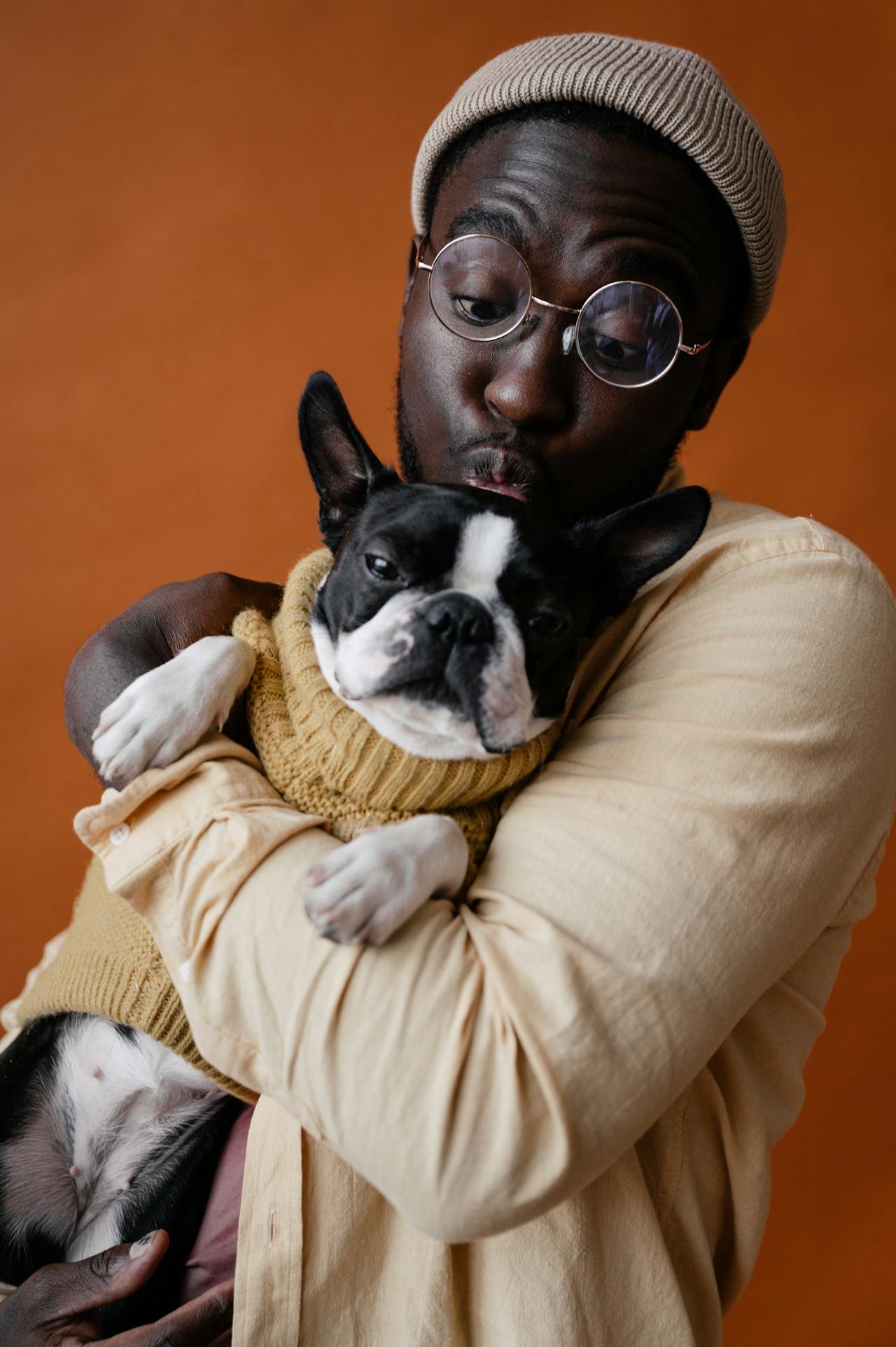
Brachycephalic breeds (French Bulldogs, Pugs, Bulldogs, Boston Terriers) have compromised respiratory systems that cannot regulate body temperature efficiently. They overheat at temperatures other dogs handle fine. Pushing them past their limit causes heat stroke, which can be fatal.
Giant breeds (Great Danes, Mastiffs, Saint Bernards) tire quickly despite their size because their cardiovascular systems work harder to move mass. Their joints bear enormous weight, so high-impact or prolonged exercise accelerates arthritis.
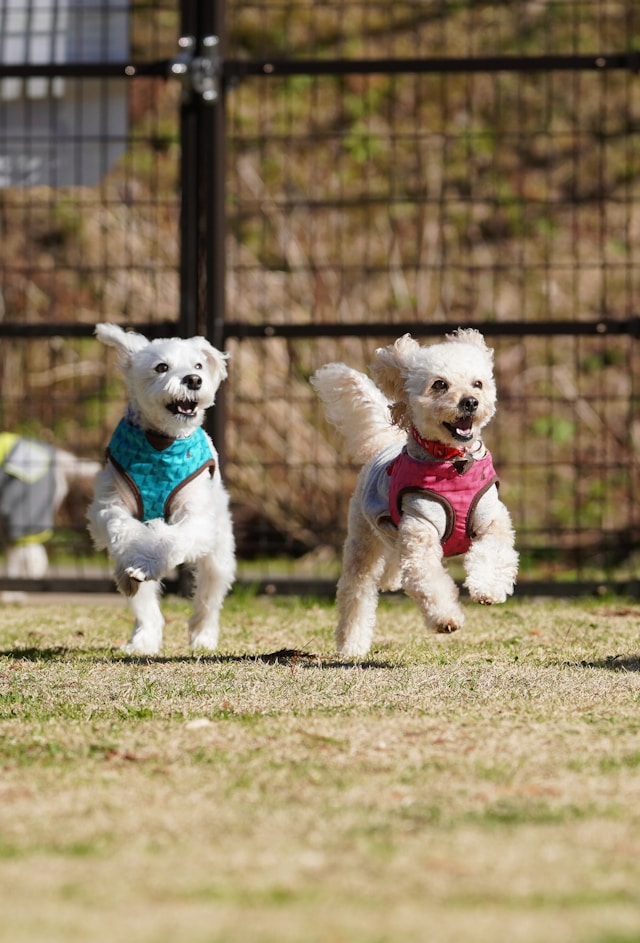
Small companion breeds (Chihuahuas, Maltese, Toy Poodles) have less stamina than medium dogs but often more energy than people expect. Short legs tire faster, but under-exercised toy breeds become yappy and neurotic.
3. Health Status
Health conditions create hard constraints on exercise—ignoring them causes measurable harm:
- Arthritis or hip dysplasia: Long walks inflame joints; shorter, more frequent walks (10-15 min, 3-4x daily) maintain mobility without triggering flare-ups
- Heart conditions: Exceeding vet-prescribed limits stresses the cardiovascular system; this isn't optional guidance
- Obesity: Overexertion on excess weight damages joints and risks cardiac events; gradual increases only
- Post-surgery recovery: Violating restrictions (often just potty walks for 8-12 weeks) can tear sutures, disrupt healing, or cause re-injury requiring additional surgery
- Respiratory issues: Heat and intensity restrictions exist because these dogs cannot cool themselves normally; pushing limits causes heat stroke
4. Living Situation
Where you live determines the minimum structured walking your dog requires:
| Living Situation | Constraint |
|---|---|
| Apartment (no yard) | Walks are the only outdoor/bathroom opportunity—skip them and you get accidents indoors |
| House with fenced yard | Yard provides bathroom relief but not exercise; dogs left to "self-exercise" in yards become bored and destructive |
| Urban environment | High-density living means walks are the only source of novel stimulation; under-walked urban dogs develop anxiety |
| Rural/suburban | More space, but without structured walks, dogs become territorial and reactive to the outside world |
A dog with a large yard still needs walks. Here's why: dogs don't run themselves tired in a yard. They sniff, patrol, and wait for engagement. A yard-only dog misses the mental stimulation of new smells, people, and dogs—which shows up as barking at everything, restlessness, and behavioral regression.
Walking Recommendations by Age
Exercise at a Glance
Four life stages, four different sets of rules. The numbers change because the biology changes.
Puppy
8 weeks – 12 monthsGrowth plates openAdolescent
6 months – 2 yearsAdult
1–7 years (varies by size)Most dogsSenior
7+ years (5+ for giant breeds)Notice the pattern: duration goes down as frequency goes up at both ends of life. The body dictates the schedule.
Puppies (8 Weeks - 12 Months)
Puppies are tricky, and getting this wrong has permanent consequences. They have bursts of wild energy followed by crash-and-sleep cycles. They seem like they could go forever—until suddenly they can't.
The danger is real and irreversible: Over-exercising puppies damages growing joints and bones. Their growth plates (soft areas of developing cartilage) are vulnerable until they close. Forced exercise on open growth plates causes developmental orthopedic disease—malformed joints, early arthritis, chronic pain. This damage cannot be undone.
Growth plates close at different ages depending on size:
- Small breeds: Growth plates close around 8-12 months
- Large breeds: Growth plates don't close until 12-18 months
- Giant breeds: May take up to 24 months (this is why giant breed puppies need the most caution)
The rule of thumb: 5 minutes of walking per month of age, twice daily.
| Puppy Age | Walk Duration | Frequency |
|---|---|---|
| 2 months | 10 minutes | 2x daily |
| 3 months | 15 minutes | 2x daily |
| 4 months | 20 minutes | 2x daily |
| 5 months | 25 minutes | 2x daily |
| 6 months | 30 minutes | 2x daily |
But wait—my puppy has way more energy than that.
Yes. Puppies have energy. But short walks don't mean limited activity—they mean limited forced, repetitive exercise on hard surfaces. That's the specific activity that damages growth plates. Supplement walks with:
- Controlled play sessions (you set the pace, not them)—self-directed play lets puppies rest when they need to
- Mental enrichment (Kong stuffed with peanut butter, puzzle feeders, training sessions)—mental work tires puppies without joint stress
- Short, positive socialization experiences—socialization windows close by 16 weeks; missing this creates fearful adult dogs
- Free play in safe, enclosed areas—soft grass surfaces are safer than pavement
The goal: tire their minds, let their bodies develop. A mentally exhausted puppy is a calm puppy—without the joint damage.
Adolescents (6 Months - 2 Years)
Adolescence is peak chaos—and peak risk for behavioral problems that become permanent without intervention. Your once-adorable puppy is now a teenage tornado testing every boundary while also being capable of more sustained exercise.
What happens during adolescence (and why it matters):
- Explosive energy levels—this energy will go somewhere; either into exercise or into destruction
- Selective hearing (they "forget" training they knew perfectly)—neural pruning is happening; unused skills disappear
- Increased independence and distraction—adolescent dogs who don't get enough stimulation develop attention problems that persist into adulthood
- Physical maturity catching up to energy levels—they can finally handle more exercise, and they need it
Walking recommendations for adolescents:
| Size | Walk Duration | Frequency | Additional Notes |
|---|---|---|---|
| Small breeds | 30-45 min | 2x daily | Watch for overheating |
| Medium breeds | 45-60 min | 2x daily | Add mental challenges |
| Large breeds | 45-60 min | 2x daily | Still growing—avoid extreme exertion |
| High-energy breeds | 60+ min | 2-3x daily | Walks alone may not be enough |
This is the life stage where under-exercised dogs cause the most destruction—and where most dogs are surrendered to shelters. If your adolescent dog is eating your furniture, they're telling you something specific: they need more walks, more challenging walks, or both. The behavior won't improve until the energy need is met.
Adults (1-7 Years)
Adult dogs have settled into their energy levels and physical capabilities. This is the easiest stage to read because their patterns are established—mismatches show up clearly as behavioral or weight problems.
General adult dog walking guidelines:
| Breed Category | Daily Walking Total | Suggested Schedule |
|---|---|---|
| Low-energy (Bulldogs, Basset Hounds, Shih Tzus) | 30-45 minutes | 2 shorter walks |
| Medium-energy (Beagles, Cocker Spaniels, most mutts) | 45-90 minutes | 2-3 walks |
| High-energy (Labs, Golden Retrievers, Spaniels) | 60-120 minutes | 2-3 walks |
| Very high-energy (Border Collies, Aussies, GSDs, Huskies) | 90-150+ minutes | 3+ walks plus additional activity |
Chicago reality check: This is hard—and it's a real constraint for working pet parents. A 9-hour workday plus commute doesn't leave time for three 45-minute walks. The math simply doesn't work.
The Chicago working professional's schedule problem:
- Morning walk: 6:30am (dark and cold half the year)
- Leave for work: 7:30am
- Return home: 6:30pm (11 hours later)
- Evening walk: 7:00pm (dark again from October to March)
That's an 11-hour gap in the middle of the day. Even low-energy dogs struggle with that bladder timeline—most adult dogs can hold it 6-8 hours maximum before discomfort or accidents. High-energy breeds? They're destroying your couch by hour six because the energy has nowhere to go.
This is exactly why professional dog walking exists. A midday walk solves the specific problem: it breaks up your dog's day, provides bathroom relief at the biologically appropriate interval, and burns off energy that would otherwise manifest as destruction.
Senior Dogs (7+ Years)
Senior dogs need exercise to maintain mobility, muscle mass, and mental sharpness—stopping walks accelerates decline. But their limits have changed, and pushing too hard causes measurable harm: inflamed joints, pain flare-ups, and reluctance that makes future walks harder.
When does "senior" start?
| Size | Senior Threshold |
|---|---|
| Small breeds (under 20 lbs) | 10-12 years |
| Medium breeds (20-50 lbs) | 8-10 years |
| Large breeds (50-90 lbs) | 7-8 years |
| Giant breeds (90+ lbs) | 5-6 years |
Senior dog walking adjustments (each has a specific reason):
- Shorter, more frequent walks instead of long walks—extended duration causes inflammation; frequent movement prevents stiffness
- Slower pace—let them sniff and set the rhythm; forcing speed increases joint stress
- Softer surfaces when possible (grass over concrete)—hard surfaces transmit more impact to arthritic joints
- Weather awareness—seniors struggle more with heat and cold because temperature regulation declines with age
- Watch for fatigue signals (lagging behind, lying down, excessive panting)—these mean "stop now," not "push through"
| Senior Stage | Walking Recommendation |
|---|---|
| Healthy senior | 20-30 min, 2-3x daily |
| Senior with mild arthritis | 15-20 min, 3-4x daily |
| Senior with mobility issues | 10-15 min, 4-5x daily (primarily for bathroom) |
Important: If your senior dog suddenly refuses walks or dramatically slows down, see your vet immediately. This isn't "just getting old"—sudden changes signal pain, illness, or progressive conditions like heart disease, kidney failure, or cancer. Early detection changes treatment options. Dismissing it as aging delays treatment that could extend quality of life.
Walking Recommendations by Breed Group
Breed heritage shapes exercise needs because genetics determine both energy output and physical constraints. Here's a breakdown by AKC breed groups, including what happens when needs aren't met:
Herding Group
Border Collies, Australian Shepherds, German Shepherds, Corgis, Shelties
Needs: 90-150+ minutes daily. These dogs were bred for 8-12 hours of sustained physical and mental work. Walking alone often isn't enough—they need mental challenges, fetch, training, or dog sports to exhaust their minds as well as their bodies.
Without enough exercise: The instincts redirect: neurotic behaviors emerge, they obsessively herd children and other pets, destructive chewing provides mental stimulation they're missing, excessive barking becomes a self-soothing mechanism. These aren't "bad dogs"—they're working dogs without work.
Sporting Group
Labs, Golden Retrievers, Pointers, Setters, Spaniels
Needs: 60-120 minutes daily. Bred for hunting, swimming, and retrieving—activities requiring sustained endurance. High stamina, water-loving, athletic.
Without enough exercise: Weight gain happens fast (these breeds are already obesity-prone), hyperactivity indoors makes them difficult to live with, mouthing and jumping behaviors emerge from unfulfilled retrieving instincts, restlessness keeps them pacing instead of settling.
Working Group
Huskies, Malamutes, Boxers, Rottweilers, Great Danes
Needs: Varies widely—this group requires breed-specific research. Huskies need 90+ minutes because they were bred to run 100+ miles daily. Great Danes need only 30-60 minutes despite their size because their cardiovascular systems work harder to move mass.
Without enough exercise: Escape attempts are common (Huskies especially will dig under or jump over fences they've never challenged before), frustration-based aggression emerges from pent-up energy, destructiveness provides an outlet the dog can't find elsewhere.
Terrier Group
Jack Russell Terriers, Bull Terriers, Airedales, Scottish Terriers
Needs: 60-90 minutes daily. Don't let their size fool you—terriers were bred to hunt and kill vermin, requiring speed, tenacity, and independence. That drive doesn't disappear in a domestic setting.
Without enough exercise: Digging (they're looking for things to chase underground), barking (alerting to everything because they're understimulated), aggression toward small animals (prey drive without outlet), stubbornness during training (excess energy makes focus impossible).
Toy Group
Chihuahuas, Pomeranians, Toy Poodles, Maltese
Needs: 30-45 minutes daily. Less stamina due to small body size, but more energy than people assume. Short legs tire faster—they take more steps to cover the same distance.
Without enough exercise: Yappy behavior (barking provides stimulation they're missing), attention-seeking (they need engagement and aren't getting it), weight gain (especially in Pugs, which have slower metabolisms and smaller exercise tolerance).
Non-Sporting Group
Bulldogs, French Bulldogs, Dalmatians, Poodles, Chow Chows
Needs: Highly variable—this group is a catch-all, so breed-specific research is essential. Dalmatians need 60-90+ minutes (they were bred to run alongside carriages for miles). Bulldogs need 20-30 minutes maximum because brachycephalic airway syndrome limits their ability to breathe during exertion and regulate body temperature—exceeding this risks heat stroke.
Hound Group
Beagles, Basset Hounds, Bloodhounds, Greyhounds
Needs: 45-90 minutes depending on the breed, but the type of exercise matters. Scent hounds (Beagles, Bassets) want slow, sniff-heavy walks because their brains are wired for olfactory processing—a walk without sniffing is mentally unstimulating for them. Sight hounds (Greyhounds, Whippets) prefer short bursts of sprinting followed by extended rest because they were bred for explosive speed, not endurance.
Special Circumstances
Dogs with Arthritis
Walking is important for arthritic dogs—stopping movement accelerates joint deterioration and muscle wasting. Movement keeps joints lubricated (synovial fluid circulates with motion) and maintains the muscle mass that supports damaged joints. But the approach must change:
Do:
- Shorter, more frequent walks (10-15 minutes, 3-4x daily)
- Warm-up before walks (gentle stretching or a few minutes of slow walking—the "5-minute warm-up rule" helps lubricate stiff joints)
- Walk on soft surfaces when possible (grass, dirt paths, rubber playground surfaces)
- Consider joint supplements (Cosequin, Dasuquin, Glycoflex, Adequan injections for more severe cases)
- Schedule walks 30-60 minutes after pain medication takes effect (common meds: Galliprant, Rimadyl, Meloxicam)
- Consider canine rehabilitation therapy—a veterinary physical therapist (look for CCRT or CCRP credentials) can design a walking protocol specific to your dog's joint issues
Don't:
- Long walks that exhaust them
- High-impact activities (jumping, stairs, rough play)
- Walking in extreme cold (joint stiffness worsens—arthritic dogs often do worse in Chicago's January)
- Cold starts—never go from sleeping to a brisk walk without warm-up
Dogs Recovering from Surgery
Post-surgical exercise restrictions are strict because violating them causes specific, expensive problems. Incisions need to heal—over-activity tears sutures and causes infection. Repaired joints need time to stabilize—too much movement too soon means re-injury and potentially additional surgery.
Typical post-surgery restrictions:
- TPLO/ACL repair: 8-12 weeks of severely limited activity (often leash walks for bathroom only)
- Spay/neuter: 10-14 days of rest, then gradual return
- Soft tissue surgery: Varies by procedure—follow vet instructions exactly
During recovery, mental enrichment must replace physical exercise—bored dogs try to move more, which risks the surgical repair. Puzzle feeders, LickiMats, snuffle mats, and training sessions keep minds active while bodies heal. A mentally tired dog is easier to keep resting.
Dogs in Chicago's Extreme Weather
Chicago weather creates hard constraints that generic advice doesn't address. Ignoring these constraints causes injuries, illness, and emergencies.
Summer heat (80°F+):
- Walk early morning (before 8am) or after sunset (after 7pm)
- Avoid hot pavement (test with your palm for 7 seconds—if you can't hold it, it burns paw pads)
- Brachycephalic breeds need extra caution: French Bulldogs, Pugs, and Bulldogs can overheat in conditions other dogs handle fine. Their compromised airways (brachycephalic obstructive airway syndrome, or BOAS) make heat regulation dangerous.
- Carry water and a collapsible bowl
- Best summer walking spots: Shaded routes along the Lakefront Trail, tree-lined streets in Lincoln Square, or the gravel paths at Horner Park offer cooler surfaces
Winter cold (Below 20°F):
- Shorten walks, especially for small dogs and thin-coated breeds
- the lake wind matters: Chicago's brutal lake-effect wind (locals call it "the lake wind") hits hardest on east-west streets. Plan north-south routes in January and February to reduce wind exposure.
- Frostbite risk begins at 20°F (-6°C) for short-coated breeds like Greyhounds, Pit Bulls, and French Bulldogs. At 0°F, it's dangerous for all dogs.
- Protect paws from de-icing chemicals: Chicago sidewalks are treated with calcium chloride and magnesium chloride—not just "salt." These chemicals cause chemical burns on paw pads and are toxic if ingested during paw-licking.
- Use Musher's Secret paw balm (apply 10 minutes before the walk, not at the door—it needs time to absorb) or dog booties (Ruffwear Polar Trex handles Chicago ice well)
- Watch for signs of cold stress (shivering, lifting paws, reluctance to move)
- Senior dogs and puppies are most vulnerable
The Polar Vortex protocol: When wind chills drop below -10°F (happens 2-3 times per Chicago winter), most professional dog walkers switch to "bathroom only" outings—5 minutes maximum, just long enough to relieve themselves. This isn't laziness; it's safety. Exposed skin (including paw pads and ear tips) can get frostbite in under 10 minutes at these temperatures.
Signs Your Dog Needs More Walks
Your dog can't tell you they need more exercise, but they'll show you through specific behaviors. Each behavior has a cause—and the cause tells you what to fix:
| Behavior | What It Means | What Happens If Ignored |
|---|---|---|
| Destructive chewing | Boredom + excess energy seeking outlet | Escalates to more valuable items, potential injury from swallowed objects |
| Excessive barking | Under-stimulated, self-soothing | Becomes habitual, harder to stop, neighbor complaints |
| Hyperactivity indoors | Physical energy has nowhere to go | Accidents, knocked-over items, exhausted owners |
| Weight gain | Caloric intake exceeds expenditure | Joint problems, diabetes, heart disease, shortened lifespan |
| Attention-seeking (pawing, nudging) | Mental engagement needs unmet | Escalates to more disruptive behaviors |
| Restlessness (pacing, can't settle) | Pent-up energy without release | Anxiety develops, sleep disruption for dog and owner |
| Pulling hard on leash during walks | Desperate to move, current walks insufficient | Walks become unpleasant, owner walks less, cycle worsens |
If you see these signs consistently, your dog is telling you something specific. Either increase walk frequency, increase walk duration, or add other activities (fetch, play dates, daycare). The behavior will not improve until the underlying need is met.
Signs Your Dog Is Getting Too Much Exercise
Over-exercise is less common but equally harmful—and the signals are often dismissed as "stubborn" behavior:
| Sign | What It Means | What Happens If Ignored |
|---|---|---|
| Reluctance to walk | Sore, exhausted, or in pain | Pain worsens, dog develops negative walk associations |
| Limping during or after walks | Joint stress or injury | Minor injury becomes chronic condition, potential ligament tear |
| Excessive panting that doesn't resolve | Overheating or exhaustion | Heat stroke risk (can be fatal), cardiac stress |
| Lying down during walks | Body cannot continue | Forcing continuation causes injury or collapse |
| Stiffness the day after walks | Muscle soreness or joint inflammation | Repeated micro-damage compounds into chronic arthritis |
| Worn or bleeding paw pads | Too much pavement, too far | Infection risk, painful walking for days, dog avoids future walks |
If your dog dreads walks they used to enjoy, something changed—age, health, or they've been overdoing it. This isn't stubbornness; it's communication. Scale back immediately and consult your vet. Pushing through pain causes permanent damage.
When a Professional Dog Walker Makes Sense
Here's the honest math for Chicago pet parents—and it's worth acknowledging that this is genuinely difficult:
- Average workday: 8-9 hours
- Average commute: 30-60 minutes each way
- Time away from home: 9-11 hours
That's a long time for any dog to hold their bladder (most dogs can manage 6-8 hours maximum), self-regulate energy, and stay mentally engaged. The math doesn't work—and pretending it does leads to accidents, destruction, and guilt. It's especially hard for:
- High-energy breeds who need 90+ minutes of daily exercise (and will redirect unspent energy into destruction)
- Puppies with developing bladders and socialization needs (holding it too long damages bladder health; isolation during socialization windows creates fearful adults)
- Senior dogs who need frequent bathroom breaks (reduced bladder control is a normal aging change, not a training failure)
- Dogs with separation anxiety who suffer alone (isolation amplifies anxiety, which shows up as destruction and self-harm)
A professional dog walker solves this specific constraint. A midday walk:
- Breaks up your dog's day at the 5-6 hour mark, before distress sets in
- Provides bathroom relief within the biological limit, preventing accidents and bladder strain
- Burns energy before you get home, so you return to a calm dog instead of a tornado
- Gives mental stimulation (new smells, sights, people) that prevents the boredom driving destruction
- Reduces anxiety because your dog learns someone comes, breaking the isolation pattern
On Tails, you can book walkers who match your dog's specific needs—high-energy handlers for your Border Collie who will actually tire them out, patient walkers for your senior Basset Hound who won't rush them, or experienced professionals for your reactive dog who know how to manage triggers.
What to look for in a walker (these matter because wrong matches cause problems):
- Experience with your dog's specific needs (not just "loves dogs")—a walker who can't handle your Husky's pulling will stop taking them, or worse, lose control
- Fear Free Certified or training from positive-reinforcement-based programs—aversive methods create fear associations with walks
- Knowledge of Chicago-specific challenges (weather, building access, high-density neighborhoods)—a walker who doesn't know about de-icing chemicals or lake wind can hurt your dog
- For reactive dogs: experience with threshold training and creating distance—inexperienced walkers flood reactive dogs with triggers, making reactivity worse
- For senior dogs: willingness to go slow and let them sniff—rushing a senior dog causes pain and walk avoidance
The investment: $25-35 per walk in Chicago. The return: a healthier, happier dog, a guilt-free workday, and avoided vet bills from under-exercise or anxiety-driven destruction.
Find a Walker Who Gets Your Dog
Creating Your Dog's Walking Schedule
Use this framework to design a schedule that fits your dog and your life. The good news: once you understand your dog's specific needs, the solution becomes straightforward.
Step 1: Assess Your Dog
- What's their age and life stage?
- What's their breed/energy level?
- Any health conditions affecting exercise?
- What's their current behavior telling you?
Step 2: Calculate Total Daily Needs
Use the breed and age guidelines above to estimate total daily walking minutes.
Step 3: Distribute Across the Day
| Your Schedule | Strategy |
|---|---|
| Working full-time | Morning walk + midday dog walker + evening walk |
| Hybrid/remote work | Morning, midday, and evening walks yourself |
| Stay-at-home | Multiple shorter walks throughout the day |
| Active lifestyle | Incorporate dog into runs, hikes, or outdoor activities |
Step 4: Monitor and Adjust
Watch your dog's behavior and health—they're giving you constant feedback. If they're still destructive or hyper after walks, the calculation was wrong; increase exercise. If they're reluctant, limping, or sore, you've overshot; scale back. The right balance exists for every dog. When you find it, the destructive behaviors stop, the weight stabilizes, and your dog settles calmly after walks instead of pacing. That's your signal that the system is working.
Frequently Asked Questions
Is one long walk better than multiple short walks?
For most dogs, multiple shorter walks are better than one marathon session—and here's why: shorter walks spread throughout the day provide more frequent mental stimulation (novelty wears off during long walks), bathroom opportunities (preventing the discomfort of holding it), and energy release (which prevents the 3pm destruction that happens when morning energy builds all day). This is especially true for puppies (whose joints can't handle long walks without damage), seniors (who fatigue and then suffer inflammation), and anxious dogs (who benefit from the predictability of routine structure).
Can I replace walks with backyard time?
No—and understanding why prevents a common mistake. Backyards are valuable for bathroom breaks and supervised play, but they don't provide what walks provide. Dogs rarely exercise themselves in a yard; they patrol, sniff, and wait for engagement. The novel stimulation of walks (new smells, people, dogs) is what tires their brains—and mental tiredness is what creates calm dogs. A dog with only backyard access becomes bored, under-stimulated, and often develops barking problems (barking at everything outside the fence) or escape behaviors (trying to reach the stimulation they're missing).
My dog doesn't seem to like walks. Is that normal?
Some dogs genuinely have lower drive for walks, but sudden reluctance is different—it signals a problem. The most common causes: pain (arthritis, injury, paw pad damage), fear (a scary experience like an aggressive dog or loud noise created negative associations), or physical discomfort (too hot, too cold, uncomfortable harness). If your dog used to enjoy walks and now resists, something changed. Consult your vet first to rule out physical causes—dogs hide pain, and walk reluctance is often the first visible sign. If medical causes are ruled out, consider whether environmental factors (specific routes, times, or triggers) might be creating fear associations.
How do I know if my puppy is over-exercised?
Signs of over-exercising a puppy include: lying down during walks and refusing to continue (their body is forcing rest), excessive tiredness lasting hours after exercise (normal puppy crashes are 30-60 minutes, not half a day), limping or favoring a leg (joint or growth plate stress), reluctance to walk the next day (residual soreness), and visible discomfort when getting up or down (inflammation). If you see these signs, you've already done damage—scale back immediately. Stick to the 5-minutes-per-month-of-age rule strictly and prioritize mental enrichment over physical endurance. Puppyhood is short; joint damage is permanent.
Should I walk my dog before or after meals?
Walk before meals when possible—and this matters more than most owners realize. Walking on a full stomach can contribute to bloat (gastric dilatation-volvulus), where the stomach fills with gas and twists. Bloat is a life-threatening emergency that can kill a dog within hours without surgery. Deep-chested breeds (Great Danes, German Shepherds, Standard Poodles, Boxers, Weimaraners) are at highest risk, but it can happen to any dog. Wait at least 30-60 minutes after eating before exercise. This isn't overcautious—it's preventing a potential emergency.
How many times a day should I walk my dog to pee?
Most adult dogs need bathroom opportunities every 6-8 hours maximum—meaning at least 3 times daily (morning, midday, evening). Exceeding 8 hours causes discomfort and can lead to urinary tract infections from held urine. Puppies need much more frequent breaks (every 2-4 hours depending on age) because their bladders are physically smaller and their control is still developing. Senior dogs may need 4-5 outings daily due to reduced bladder control—this is normal aging, not a training regression. If your dog is having accidents indoors, the first question is always "are they getting enough bathroom opportunities?" Increase frequency before assuming it's a training or behavioral issue.