The best walk tracking system is the one you will actually use. You do not need a medical chart for every normal walk. You need a reliable baseline so changes in pace, stamina, poop, recovery, and behavior do not disappear into memory.
Start with the Tails dog health tracker if you want walk history, shared pet notes, and routine tracking in one place.
The Simple Rule
Track lightly all the time. Track closely when something changes.
| Dog Situation | Tracking Frequency | What to Log |
|---|---|---|
| Healthy adult dog | Most walks, lightly | Duration, route, poop, unusual notes |
| Puppy | Every walk/potty outing | Timing, pee/poop, accidents, energy |
| Senior dog | Every walk | Pace, stiffness, stops, recovery |
| New medication | Every walk for 2-4 weeks | Energy, stool, appetite, side effects |
| New dog walker | Every booked walk | Route, timing, updates, poop, behavior |
| Recent illness or surgery | As directed by vet | Activity limit, symptoms, recovery |
| Behavior or stamina change | Every walk in detail | Trigger, distance, pace, recovery |
Once you know the baseline, tracking can stay quick.
What Counts as a Useful Walk Log?
A useful log answers four questions:
- Did the walk happen?
- How much activity did the dog get?
- Did anything unusual happen?
- How did the dog recover?
For most dogs, this is enough:
| Field | Example |
|---|---|
| Duration | 28 minutes |
| Route | Normal park loop |
| Poop | Normal, once |
| Notes | Slower after hill, fine after nap |
That takes less than a minute and creates a record you can compare later.
When Daily Detail Matters
Detailed walk tracking matters most when your dog's health picture is changing.
Senior Dogs
Senior dogs often compensate for pain until the pattern is obvious. Track pace, stiffness after sleep, reluctance on stairs, and how long recovery takes after normal routes. AAHA senior-care guidance emphasizes regular veterinary screening because subtle issues are easier to manage when caught early.
Dogs With Stomach Changes
Poop belongs in the same routine log as walks because many owners first notice digestive changes outside. Track consistency, color, mucus, blood, frequency, straining, and whether appetite or energy changed. For a practical stool system, use the dog poop chart guide.
Dogs With New Walkers
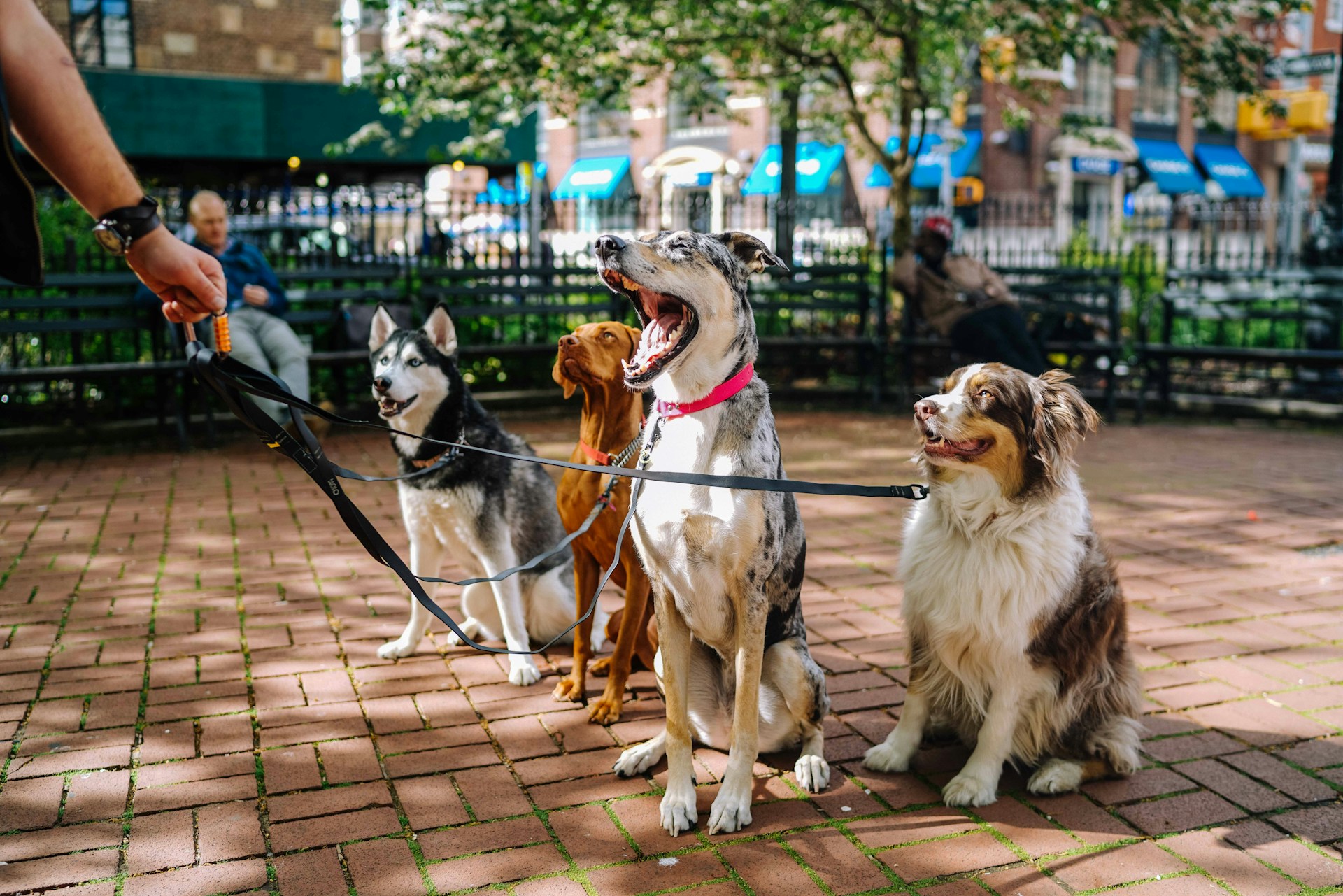
When someone else walks your dog, tracking becomes accountability and continuity. Ask for route, timing, potty notes, photos if useful, and anything unusual. If you need reliable recurring help, see recurring dog walking or dog walking in Chicago.
Dogs Building Fitness
If your dog is overweight, under-conditioned, or returning after a quiet season, track gradual changes instead of jumping to a goal distance. Sudden weekend mileage is harder on joints than consistent moderate movement.
What to Review Weekly
Set aside five minutes once a week and look for:
- Average walk duration
- Shortest walk and why it happened
- Any route your dog consistently struggles with
- Poop changes across multiple days
- Longer recovery after normal activity
- Missed walks caused by scheduling, weather, or coverage gaps
The weekly review is where the value appears. One slow walk may mean nothing. Three slow walks after the same distance is a pattern.
What Not to Track
Do not obsess over perfect numbers. GPS can drift. Weather changes effort. A sniff-heavy walk may be mentally rich even if mileage is low. The point is trend awareness, not performance scoring.
Avoid comparing your dog to:
- Breed averages
- Social media step counts
- A younger version of another dog
- Your own fitness goals
Compare your dog to your dog's normal.
A Two-Week Baseline Plan
Use this when starting from zero:
| Days | Goal |
|---|---|
| 1-3 | Log every walk with duration, route, poop, and recovery |
| 4-7 | Note what seems normal for pace, stops, and energy |
| 8-10 | Repeat common routes to compare consistency |
| 11-14 | Identify the sustainable routine and any concerns |
At the end, you should know the route length your dog handles comfortably, what normal poop looks like, and how quickly they recover.
Bottom Line
Track every walk lightly, track every walk closely when something changes, and review patterns weekly. A simple history in the Tails dog health tracker gives your family, walker, and vet a clearer picture than memory alone.