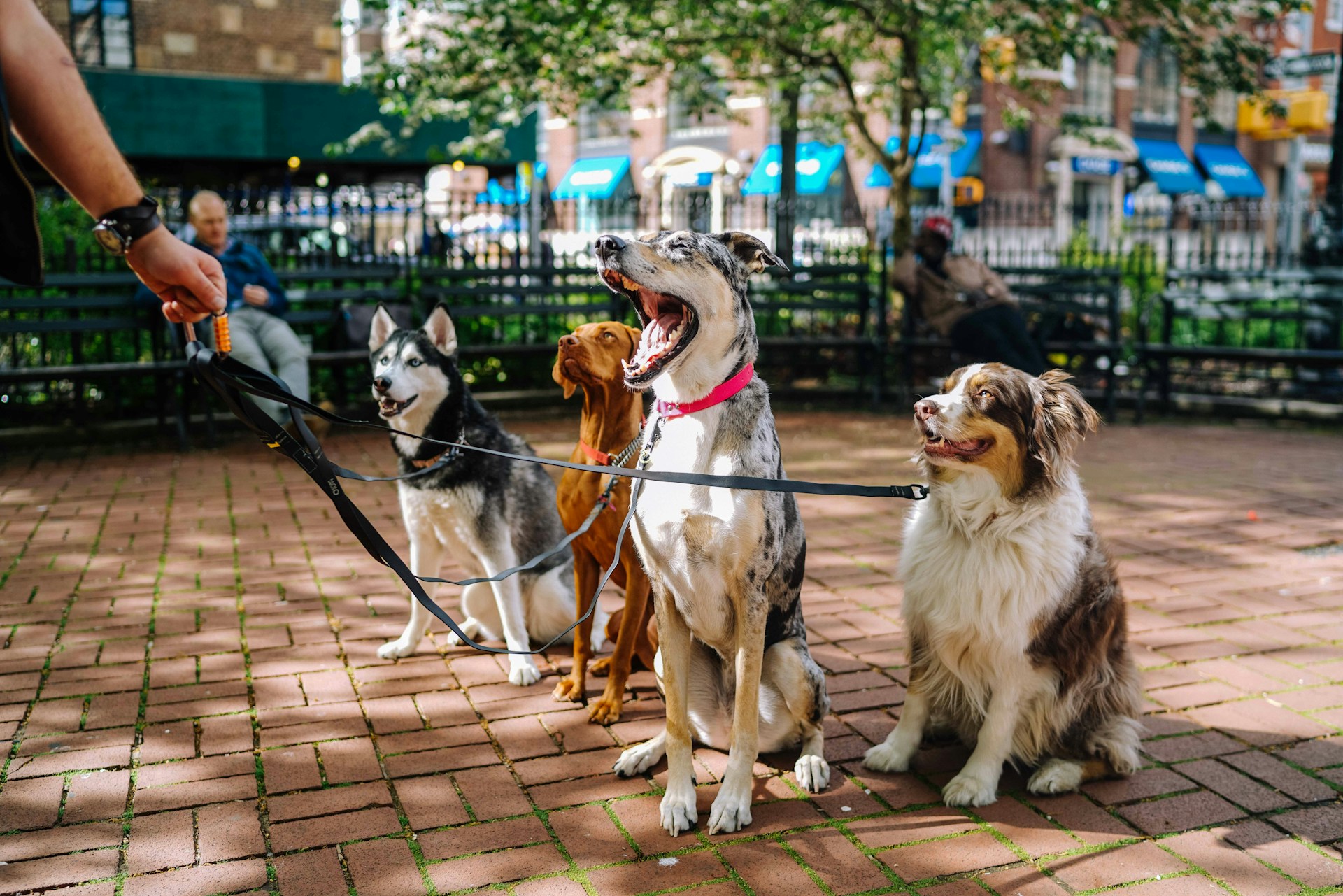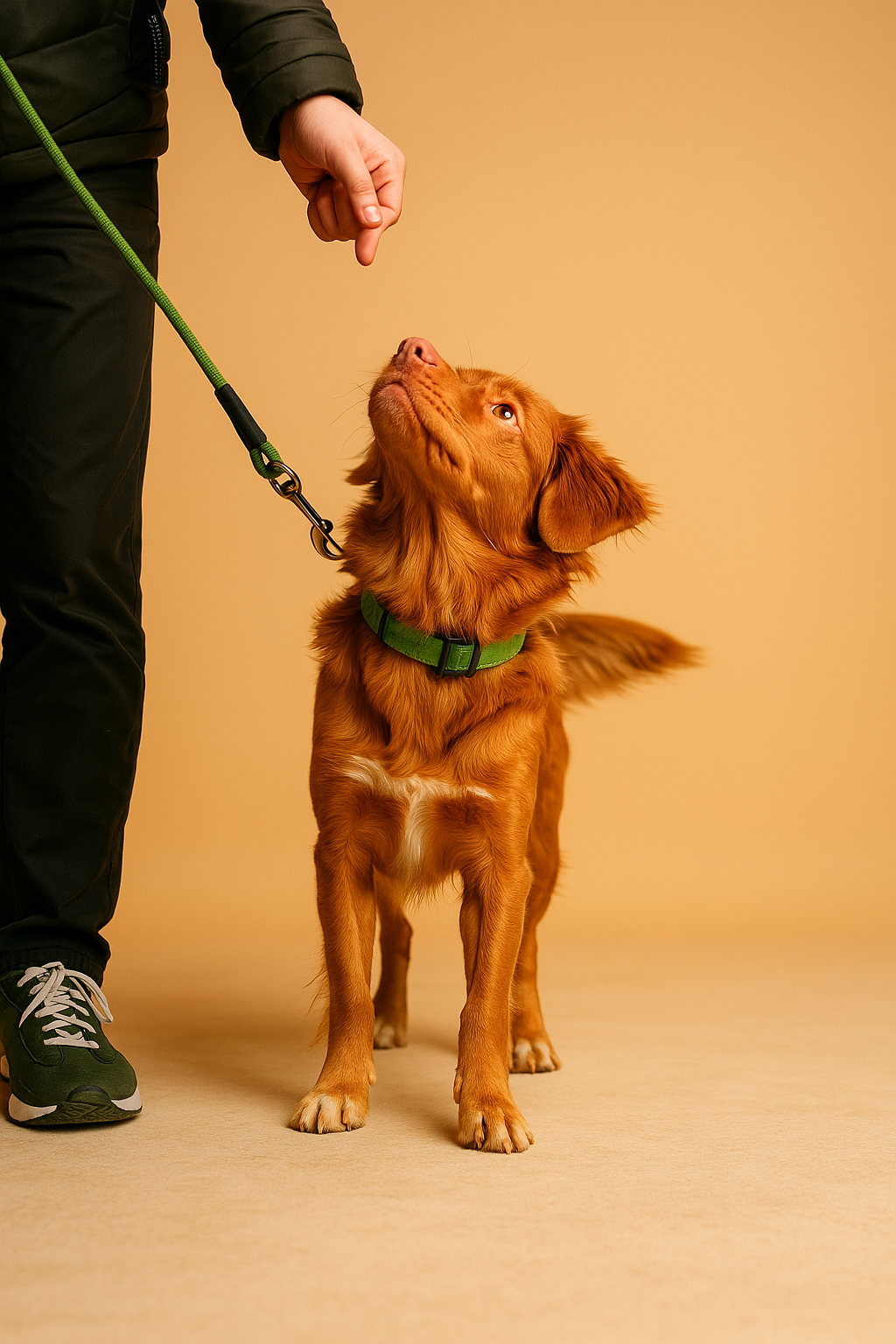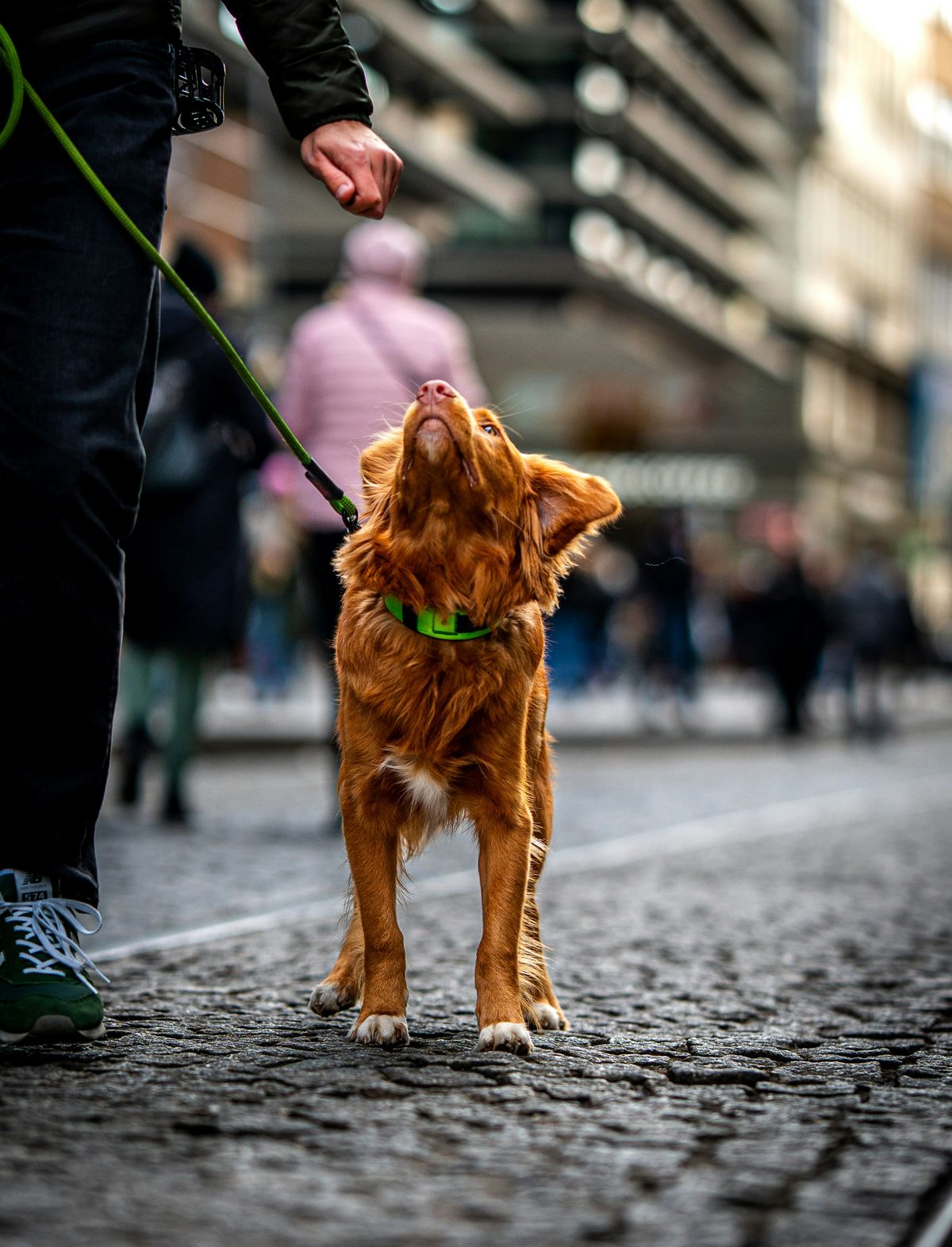
A dog walker is not a veterinarian, trainer, or substitute for medical care. But a good dog walker can protect the routine that keeps your dog's daily life stable: movement, potty breaks, enrichment, timing, and observation.
If you already track your dog's health routine, connect walker notes to the Tails dog health tracker so updates do not disappear in text threads.
What Dog Walkers Can Support
| Routine Area | How a Walker Helps |
|---|---|
| Movement | Keeps activity consistent on busy workdays |
| Potty timing | Reduces long gaps between bathroom breaks |
| Poop tracking | Reports stool changes during walks |
| Enrichment | Adds sniffing, novelty, and outdoor time |
| Behavior patterns | Notices anxiety, reactivity, reluctance, or stress |
| Senior support | Keeps walks shorter, slower, and more predictable |
| Owner visibility | Provides updates when you are not there |
The biggest health benefit is consistency. Missed walks can affect energy, behavior, potty rhythm, and owner awareness.
What a Good Walker Update Includes
Ask for updates that are specific but quick:
- Start and end time
- Route or distance
- Pee and poop
- Stool quality if abnormal
- Energy and pace
- Any limping, coughing, vomiting, or refusal
- Behavior triggers such as dogs, traffic, noise, or heat
- Photos only if they are helpful and safe to take
"Great walk!" is pleasant. "25 minutes, normal poop, slower on last block, no limping" is useful.
Recurring Walkers See Patterns Faster
Rotating walkers can solve coverage. Recurring walkers are better for pattern recognition because they know your dog's normal.
A recurring walker may notice:
- Your dog is slower than last week.
- They are avoiding a usual stairwell.
- Poop has been soft for three walks.
- Heat affects them more than expected.
- A new trigger appeared on a familiar route.
If your schedule needs reliable coverage, compare recurring dog walking or dog walking in Chicago.
What Walkers Should Not Do
A walker should not:
- Diagnose illness
- Change medication
- Push through limping, collapse, or breathing trouble
- Ignore vet-directed activity restrictions
- Use new training tools without approval
- Take high-risk routes because they are more convenient
- Dismiss stool, appetite, mobility, or behavior changes
Clear boundaries make the relationship safer.
Health Routine Instructions to Share
Before the first walk, give your walker:
| Instruction | Example |
|---|---|
| Normal route | "Park loop, avoid dog run fence" |
| Pace | "Slow sniff walk, no jogging" |
| Potty expectations | "Usually pees twice, poops once" |
| Medical limits | "No stairs after surgery" |
| Triggers | "Avoid scooters and off-leash dogs" |
| Escalation | "Call if limping, vomiting, bloody stool, or heavy panting" |
| Vet info | Clinic name and emergency preference |
If your dog has senior, medical, anxiety, or reactivity needs, use the questions to ask a dog walker before booking.
When a Walker Should Contact You Immediately
Ask your walker to contact you right away for:
- Limping, collapse, weakness, or injury
- Labored breathing, severe coughing, or heat distress
- Vomiting or repeated diarrhea
- Blood in stool or black/tarry stool
- Escape attempt or equipment failure
- Bite, fight, or unsafe encounter
- Refusal to walk in a dog who normally walks
- Any situation where they are unsure if it is safe to continue
For urgent medical symptoms, you may need to call your vet or emergency clinic.
Where Tails Fits
Tails helps connect routine tracking and care coordination. Use the dog health tracker for walk and health history, the dog walker app for walking support, or download Tails to start building a shared dog profile.
Bottom Line
Dog walkers help most when they keep routines consistent and report what changed. Choose walkers who can follow instructions, respect limits, and give useful updates about pace, poop, energy, and behavior.